Watch when you are ready

FinLit 101 video library

Video

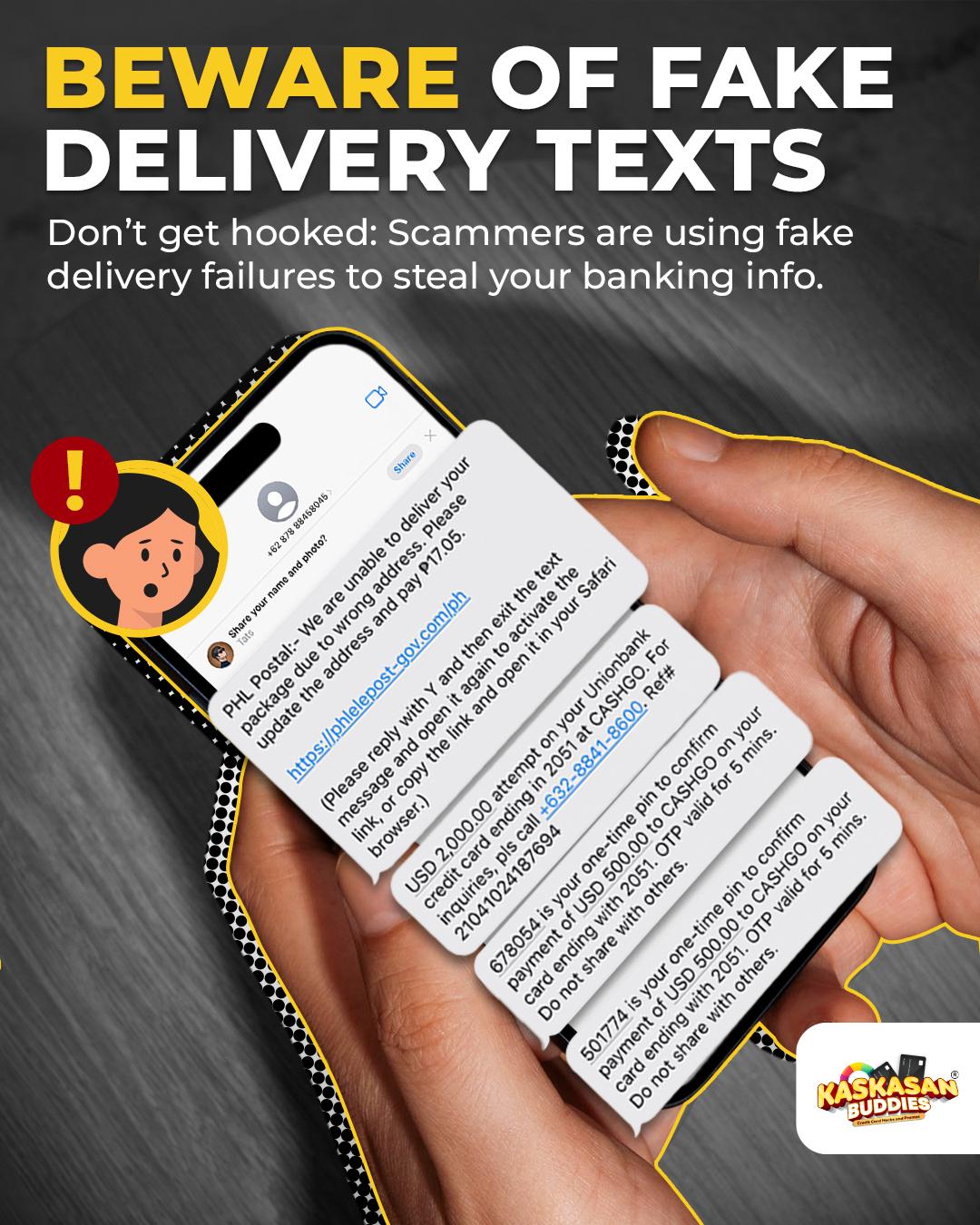
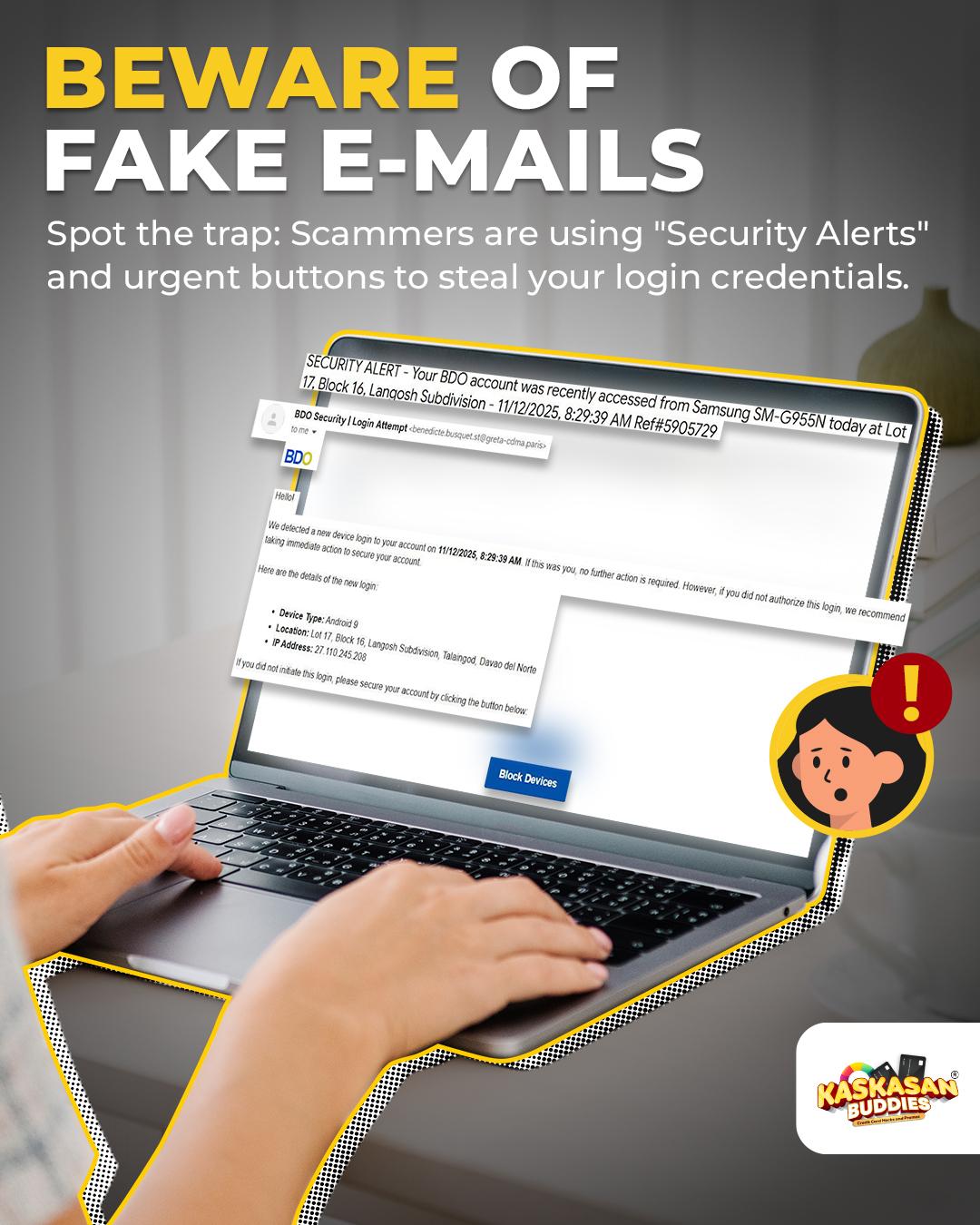
Card Safety 101 💳

Exclusive

Video

Credit Card Basics 101 💳

Exclusive

Video

Statement Date and Due Date 💳

Exclusive

Video

Credit Card Do’s and Don’ts! 💳

Exclusive

Video

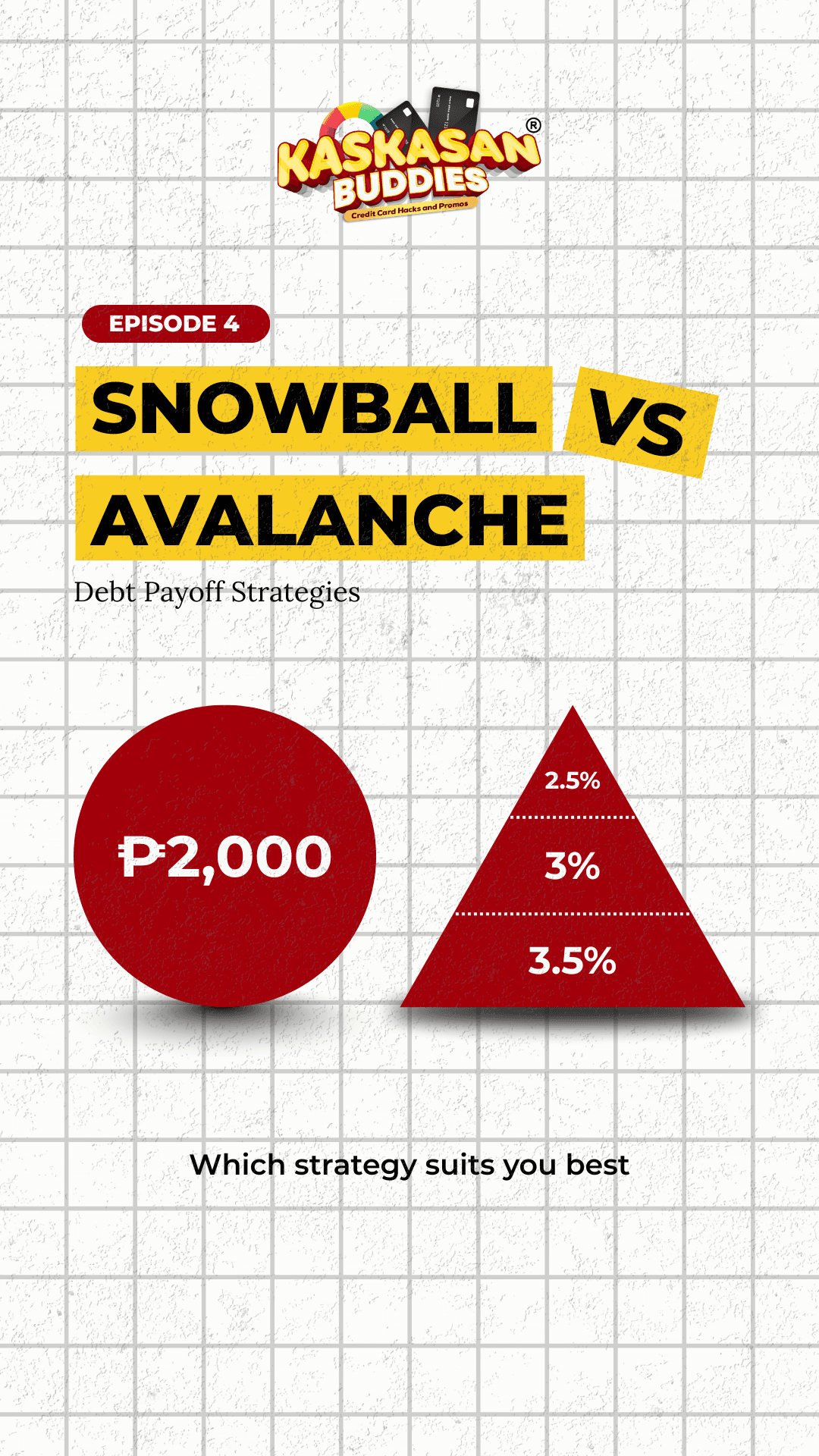
Snowball or Avalanche Method? ❄️🔥

Exclusive

Video

Primary vs Supplementary Cardholder… 👥

Exclusive

Video

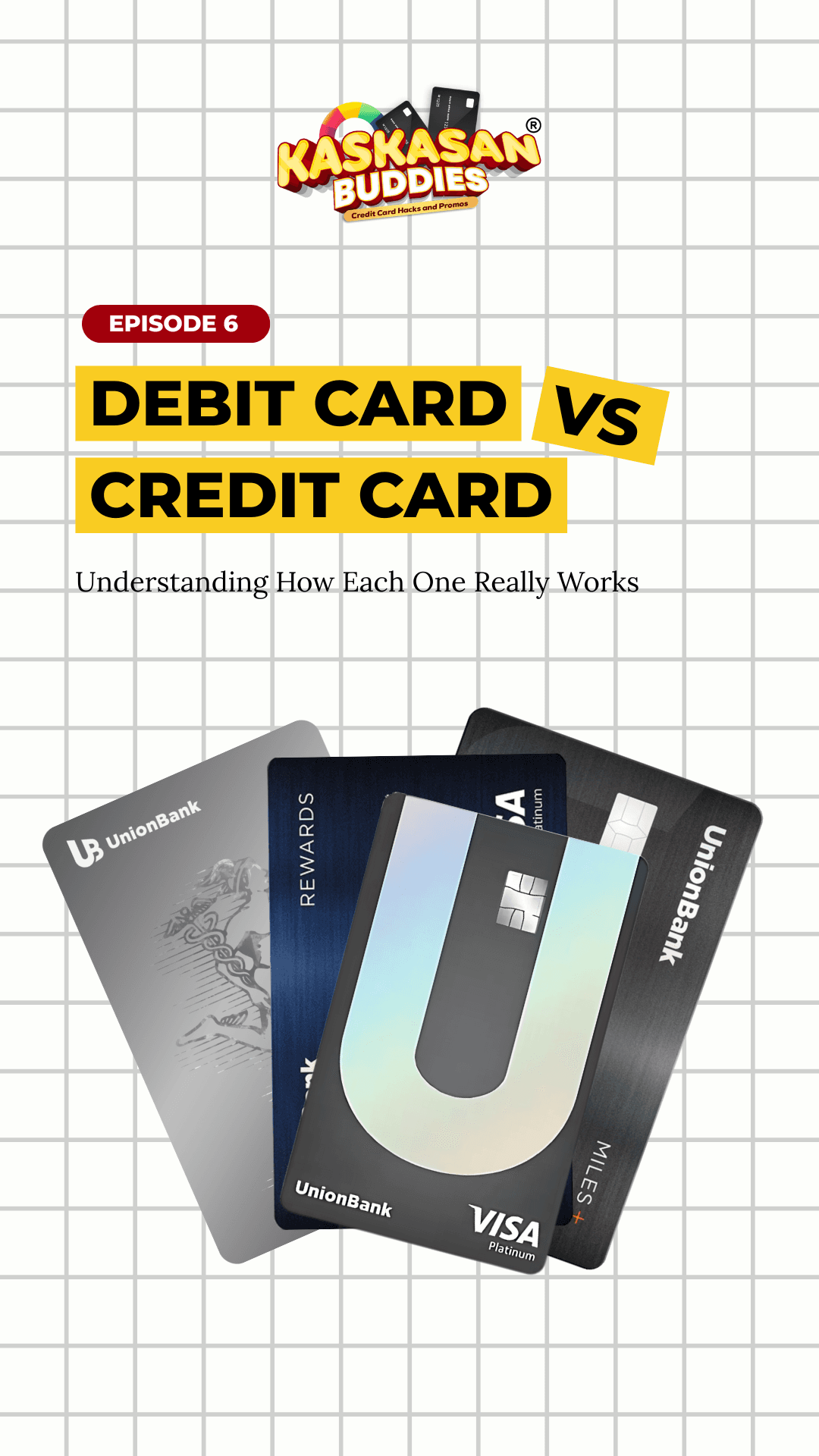
Debit Card vs Credit Card

Exclusive

Video

Missed Payment

Exclusive

Video

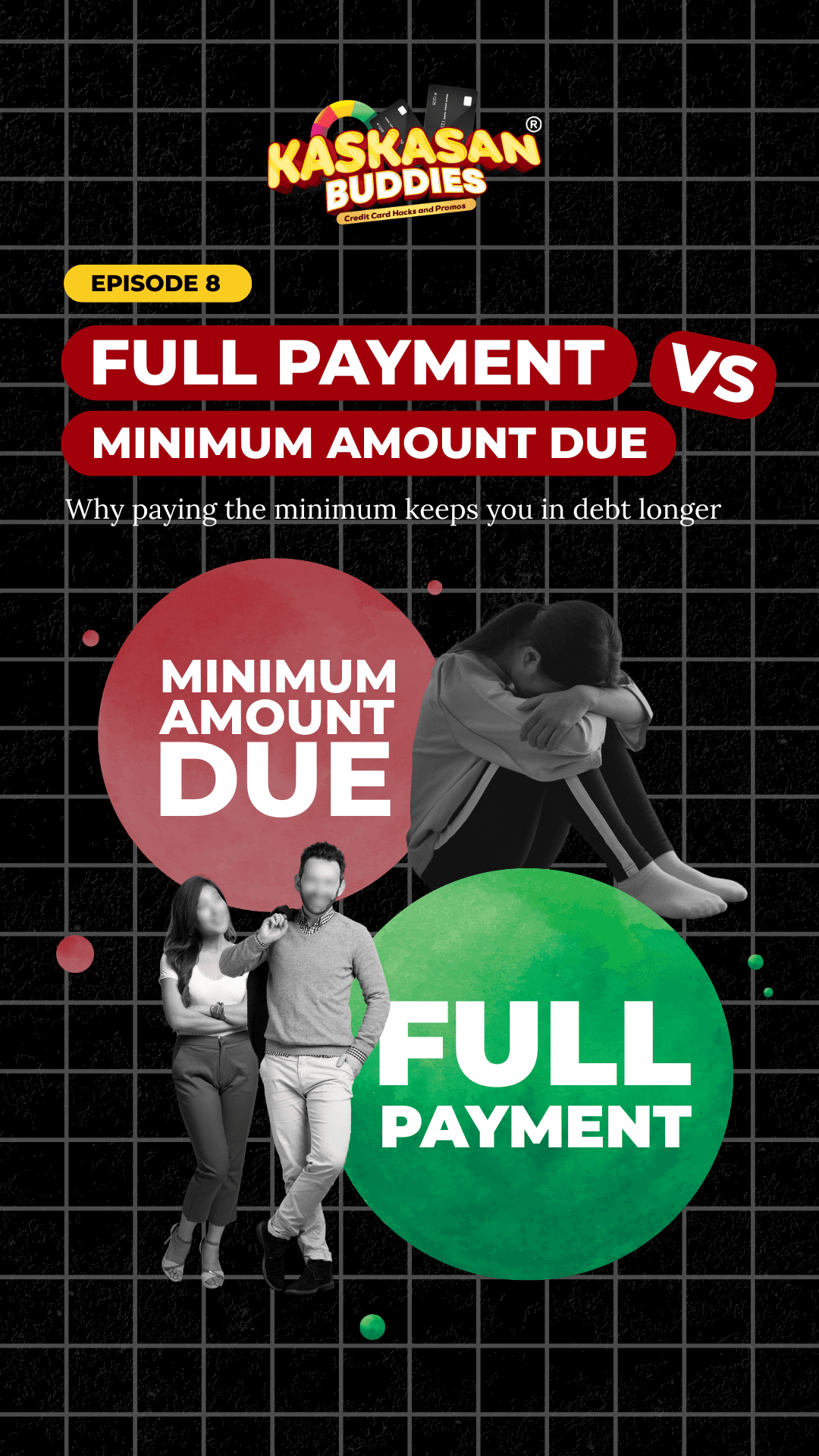
Full Payment vs Minimum Amount Due

Exclusive

Item 1 of 9

Guides for the next step.

Filter results
Guide categories
8 of 66 guides shown
Personal Finance

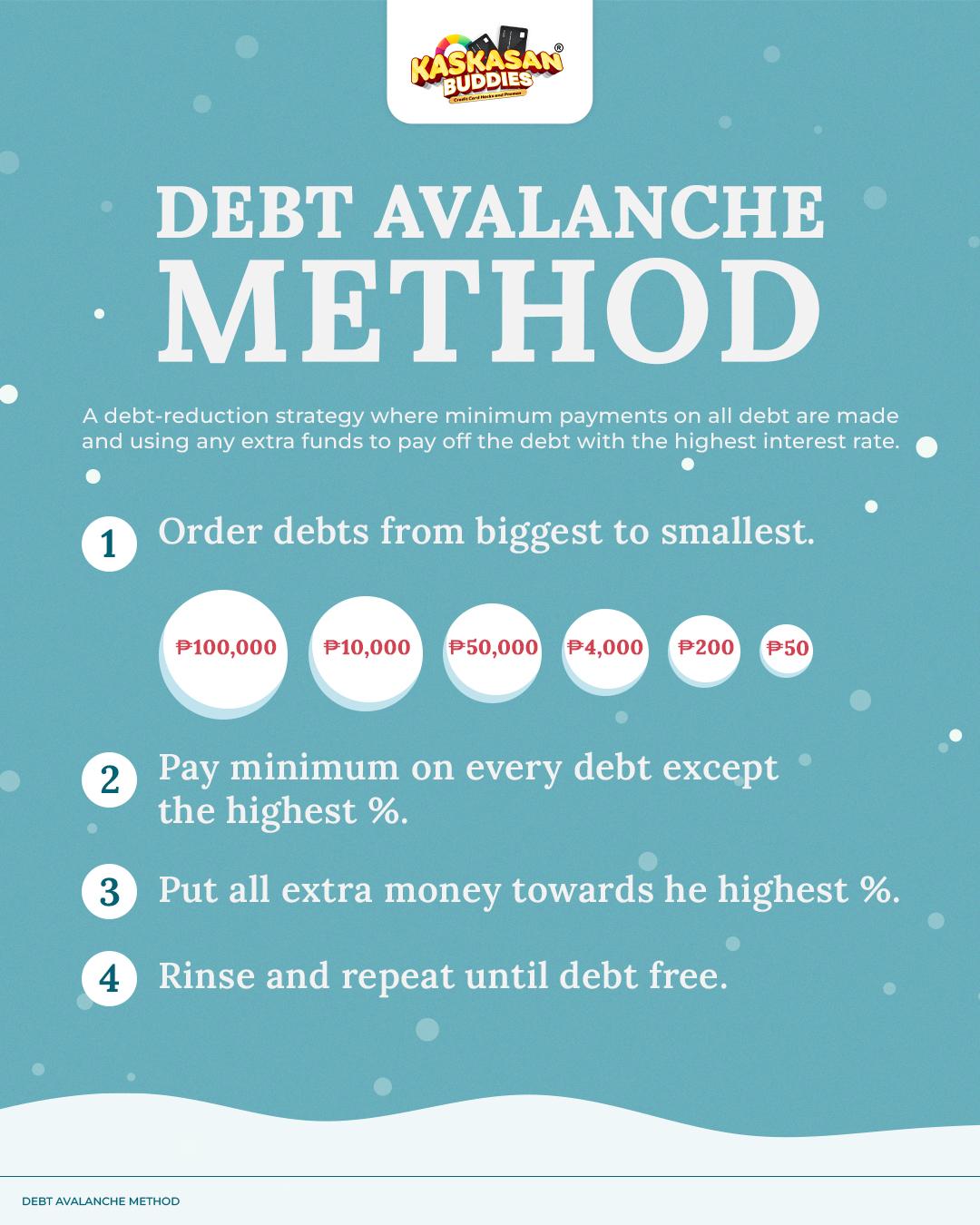
Debt Avalanche Method

The debt avalanche method involves making minimum payments on all debt and using any extra funds to pay off the debt with the highest interest rate. Here’s how it works: ➡ Step 1: Order debts from biggest to smallest. ➡ Step 2: Pay minimum on every debt except the highest interest. ➡ Step 3: Put all extra money towards the highest interest. ➡ Step 4: Rinse and repeat until debt free. For example, say you have P3,000 extra to devote to debt repayment each month, and you have the following debts: P10,000 credit card debt at an 18.99% annual percentage rate (APR) P9,000 car loan at 3.00% interest rate P15,000 student loan at 4.50% interest rate In this scenario, the avalanche method would have you pay off your credit card debt first because it has the highest interest rate. If you put your extra money toward that debt, you could pay off your remaining debt in 11 months, paying a total of P1,011.60 in interest. If you have significant amounts of debt, the avalanche method of targeting the highest interest rate debt can also reduce the time it takes to pay off the debt by a few months.
Open guide
Personal Finance

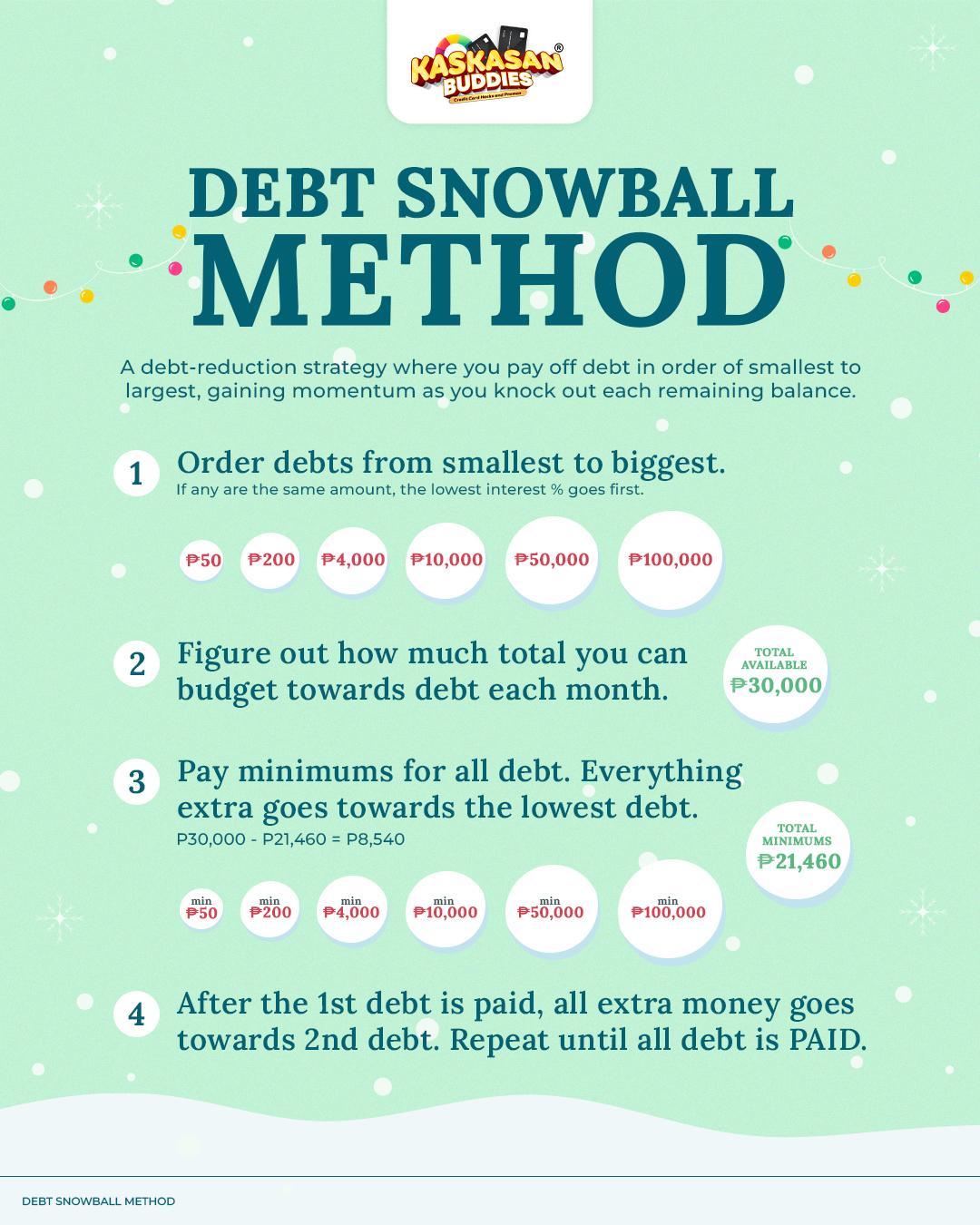
Debt Snowball Method

The debt snowball method is a debt-reduction strategy where you pay off debt in order of smallest to largest, gaining momentum as you knock out each remaining balance. When the smallest debt is paid in full, you roll the minimum payment you were making on that debt into the next-smallest debt payment. Here’s how it works: ➡ Step 1: List your debts from smallest to largest regardless of interest rate. ➡ Step 2: Make minimum payments on all your debts except the smallest. ➡ Step 3: Pay as much as possible on your smallest debt. ➡ Step 4: Repeat until each debt is paid in full. If your biggest debt has the highest interest, it'll take a while to make progress. But if you follow the plan without worrying about interest, paying off the smallest debt quickly will excite and motivate you to work hard until you're debt-free.

Open guide
Personal Finance

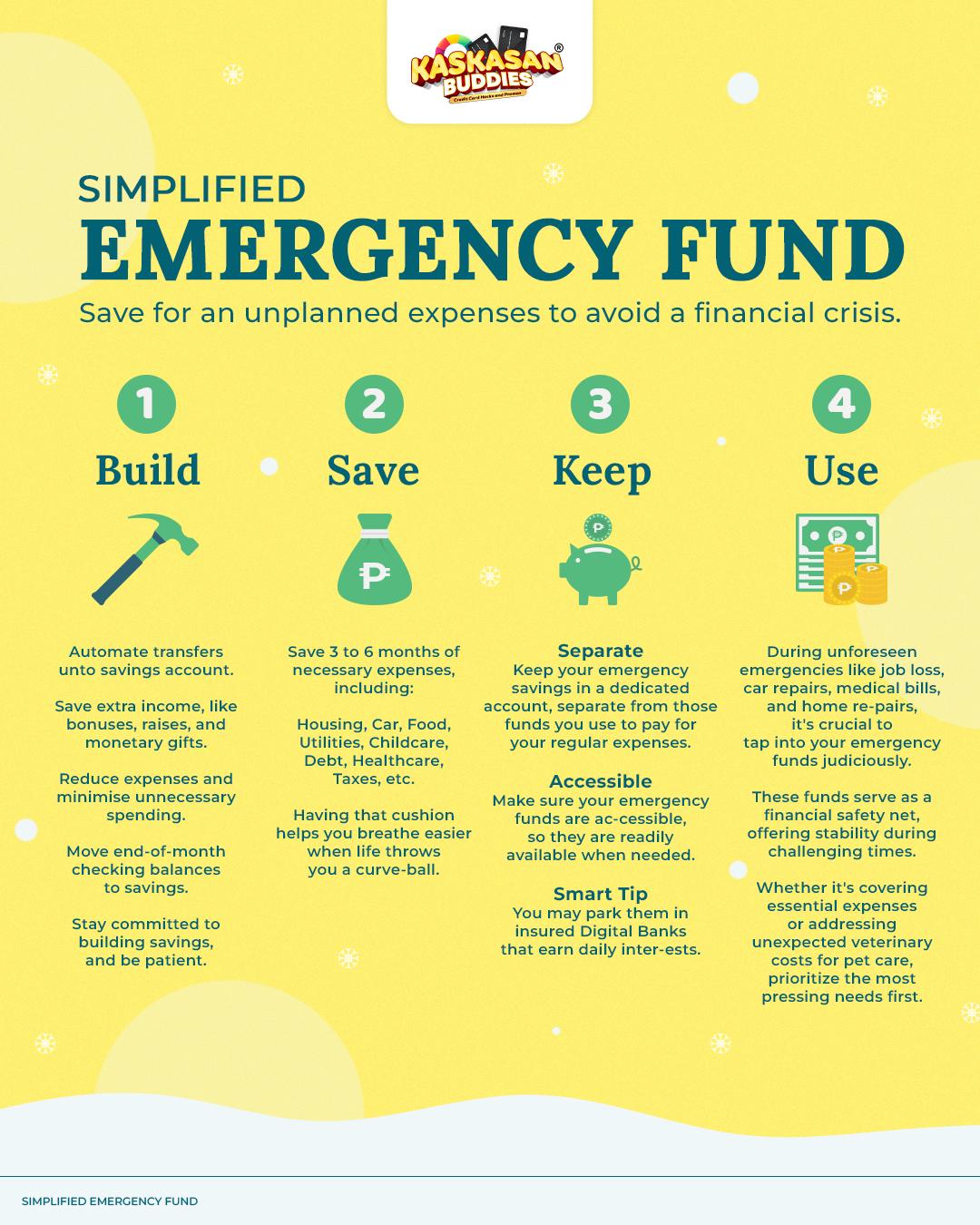
Building your Emergency Fund

An emergency fund is like your money safety net for when things go sideways. It's cash you stash away to handle unexpected stuff like car repairs, medical bills, or sudden job loss. Having that fund means you're ready for whatever life throws your way without stressing about cash. Step 1: Build Automate transfers unto savings account. Save extra income, like bonuses, raises, and monetary gifts. Reduce expenses and minimize unnecessary spending. Move end-of-month checking balances to savings. Stay committed to building savings, and be patient. Step 2: Save Save 3 to 6 months of necessary expenses, including: Housing, Car, Food, Utilities, Childcare, Debt, Healthcare, Taxes, etc. Having that cushion helps you breathe easier when life throws you a curveball. Step 3: Keep Separate - Keep your emergency savings in a dedicated account, separate from those funds you use to pay for your regular expenses. Accessible - Make sure your emergency funds are accessible, so they are readily available when needed. Smart Tip - You may park them in insured Digital Banks that earn daily interests. Step 4: Use During unforeseen emergencies like job loss, car repairs, medical bills, and home repairs, it's crucial to tap into your emergency funds judiciously. These funds serve as a financial safety net, offering stability during challenging times. Whether it's covering essential expenses or addressing unexpected veterinary costs for pet care, prioritise the most pressing needs first.

Open guide
Personal Finance

50/30/20 Budgeting Rule 💰

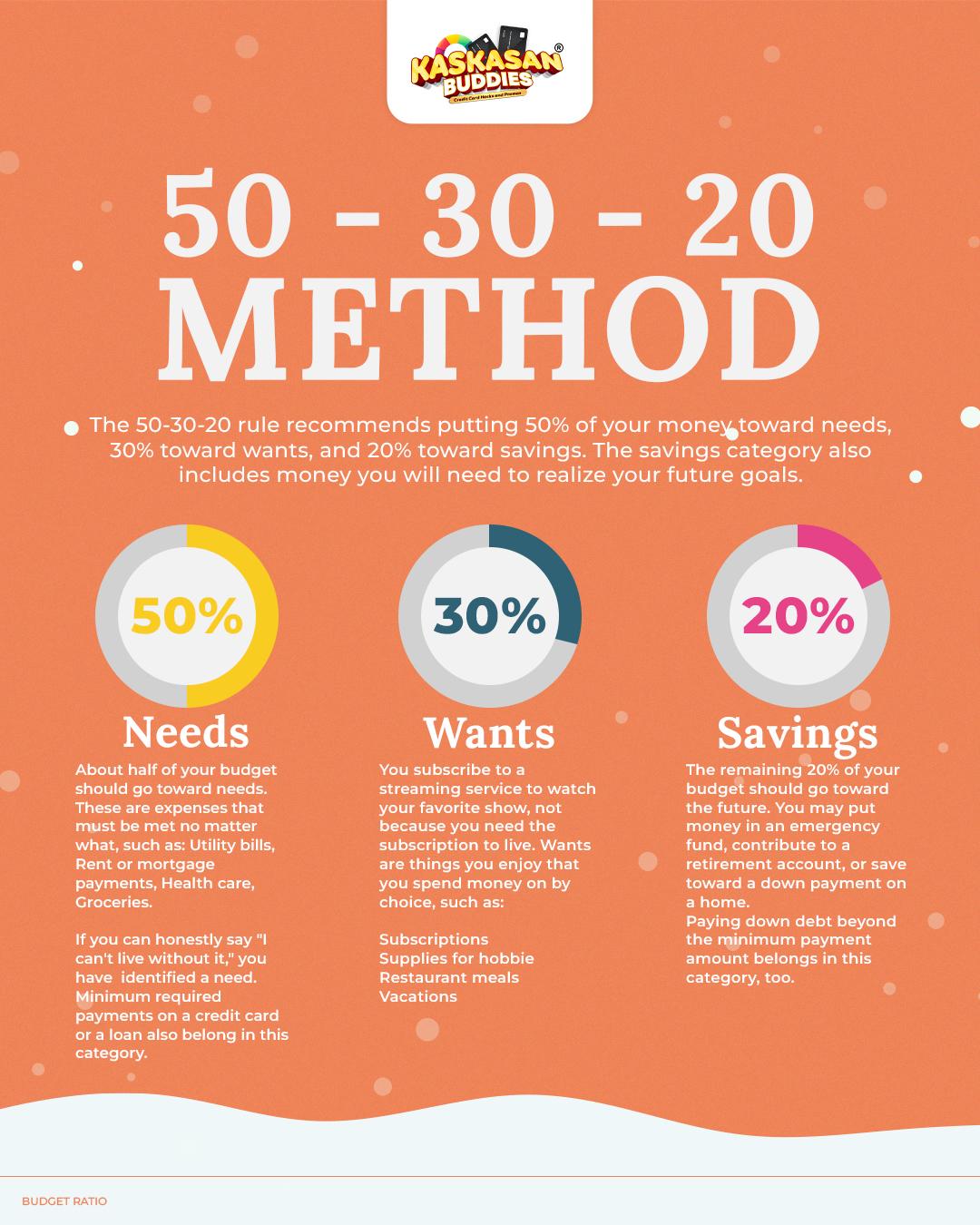
The 50-30-20 rule recommends putting 50% of your money toward needs, 30% toward wants, and 20% toward savings. The savings category also includes money you will need to realize your future goals. ➡50% Needs About half of your budget should go toward needs. These are expenses that must be met no matter what, such as: Utility bills Rent or mortgage payments Health care Groceries If you can honestly say “I can’t live without it,” you have identified a need. Minimum required payments on a credit card or a loan also belong in this category. ➡30% Wants You subscribe to a streaming service to watch your favorite show, not because you need the subscription to live. Wants are things you enjoy that you spend money on by choice, such as: Subscriptions Supplies for hobbies Restaurant meals Vacations ➡20% Savings The remaining 20% of your budget should go toward the future. You may put money in an emergency fund, contribute to a retirement account, or save toward a down payment on a home. Paying down debt beyond the minimum payment amount belongs in this category, too. The 50-30-20 rule is just one way to consider organizing your budget. To find the perfect fit for your situation, consult a professional financial planner.

Open guide

Finance terms, made simple.

8 terms

Annual fee
A recurring charge for keeping a credit card account, subject to the issuer’s current terms.
Billing cycle
The period covered by one card statement.
Cashback
A benefit that returns part of eligible spending, usually with categories, caps, or exclusions.
InstaPay
A Philippine electronic fund-transfer service commonly used for near-real-time transfers.
NAFFL
No Annual Fee for Life, subject to the exact eligibility and retention conditions in an offer.
Paluwagan
A rotating savings arrangement where members contribute on a schedule and take turns receiving the pooled amount.
PESONet
A Philippine electronic fund-transfer service commonly used for batch credit transfers.
Statement balance
The amount shown as due for the completed billing cycle, before considering later transactions.